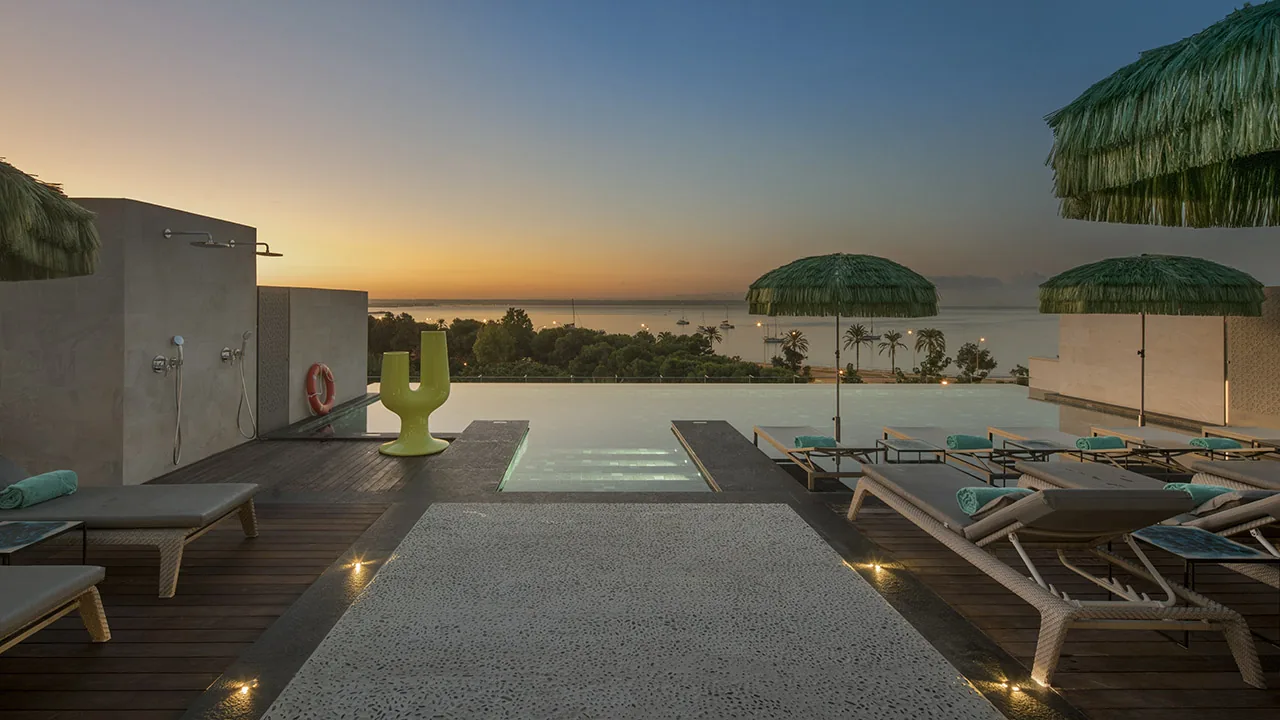
The Mediterranean has become the world's most advanced laboratory for new luxury hospitality. Mallorca, Venice, Andorra, the Costa del Sol — these destinations are incubating the trends that will define the sector in the coming years. From ABM Consultores, with a foothold in each of these markets, we share our reading of what lies ahead.
The Mediterranean as a Global Brand
The Mediterranean is not merely a geography: it is a way of life that the entire world desires. From gastronomy to architecture, from the pace of time to the culture of hospitality, the Mediterranean model of living has acquired in recent years a global relevance with no precedent in modern history. The world's highest-spending travellers — Americans, Asians, those from the Gulf — are seeking with increasing determination experiences that allow them to access a way of life that they perceive as authentic, rooted and, ultimately, more real than the globalised luxury of large hotel chains.
ABM Consultores has worked for over two decades with hotels and destinations that embody this Mediterranean promise in its most authentic form: El Llorenç Parc de la Mar in Palma, with its extraordinary cuisine by Chef Santi Taura; El Vicenç in Mallorca, with its intimate gastronomic hospitality offering; Les Pardines 1819 in Encamp, where Pyrenean traditions coexist with contemporary comfort; and Ca' Maria Adele in Venice, the palazzo that for five centuries has borne witness to life on the Grand Canal. From this privileged vantage point, we share the trends that are transforming the sector.
Gastronomic Tourism: The New Reason to Travel
If there is one trend dominating the luxury hospitality landscape in the Mediterranean in 2026, it is high-level gastronomic tourism. The most demanding travellers are no longer simply looking for a good meal in a good restaurant: they are seeking access to a culinary experience that tells them something about the place they have travelled to, that connects them with local producers, with historical traditions and with the personality of the chef behind each dish.
Chef Santi Taura, who develops his cuisine at El Llorenç and El Vicenç, is a perfect example of this new paradigm. His cooking is not simply good Mallorcan cuisine: it is a constant investigation into the indigenous ingredients of the island, into recipes that had almost disappeared from family cookbooks, into traditional techniques that coexist with the most contemporary innovation. To eat at his restaurant is to learn about Mallorca in a way that no museum or tourist guide can match. And that, in the context of the new luxury hospitality, has incalculable value.
Boutique vs Chain: The Victory of Personalisation
One of the most significant dynamics of the luxury hotel market in 2026 is the relative decline of large hotel chains compared to independent boutique hotels. It is not that the major operators have got worse — in many cases they have substantially improved their product — but that the profile of the high-net-worth traveller has changed radically. The new luxury does not seek the homogeneous perfection of standardised five-star service: it seeks the charming imperfection of a place with its own personality, of a hotel where the owner still knows the names of returning guests and where each visit reveals something new.
Les Pardines 1819 in Encamp, Andorra, perfectly illustrates this trend. A historic borda with years of history and tradition, built in 1819 and transformed with exquisite taste into a five-star luxury hotel to preserve the family legacy, has succeeded in attracting an international high-net-worth clientele that could stay in any luxury Alpine resort and instead chooses this corner of Andorra because it offers something that no Aman or Four Seasons can replicate: the authenticity of a place that has been part of a specific landscape and culture for two centuries.
The Future: Experiential Luxury, Sustainability and Cultural Immersion
The trends that will dominate Mediterranean luxury hospitality in the coming years converge around three concepts: experiential luxury, genuine sustainability and deep cultural immersion. Experiential luxury — the prioritisation of experience over material objects — is no longer an emerging trend but a consolidated reality that is profoundly transforming the hospitality offer across the region. The best Mediterranean hotels no longer sell rooms: they sell access to experiences that money alone cannot guarantee.
At ABM Consultores, our task is to help our hotel clients communicate these values in a way that resonates with the audiences seeking them. Mediterranean hospitality has all the ingredients to remain the world reference for lived luxury: history, gastronomy, landscape, culture and, above all, that innate capacity to make guests feel that they are exactly where they should be. Our mission is to ensure that the world's most demanding travellers know it.
Share article
ABM Consultores
Let's talk about your project
We have been creating unforgettable experiences for over two decades. Tell us your vision.
Get in touch